Glitch Systems. A note on what we built — and what we’d do differently.
2023–2025
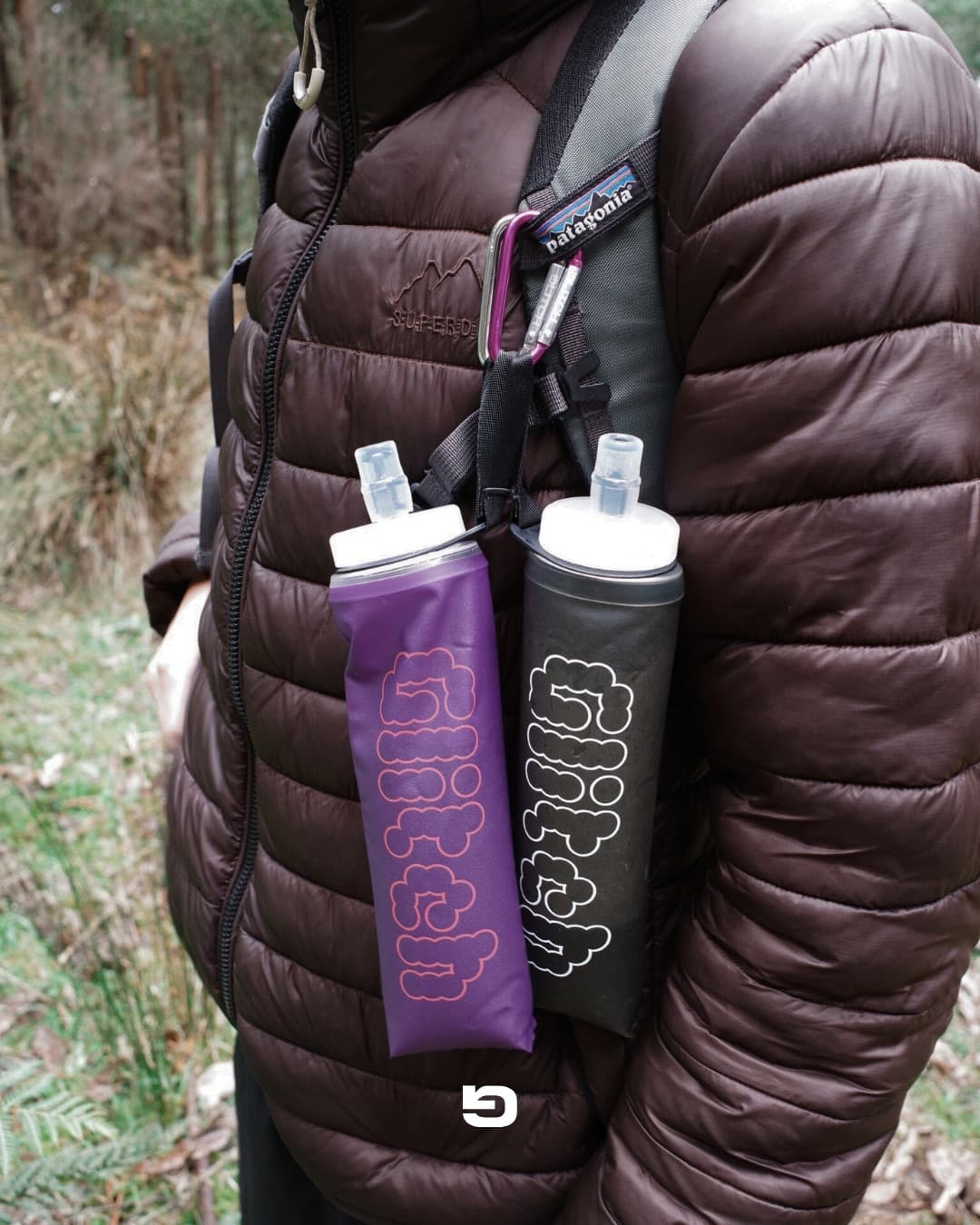
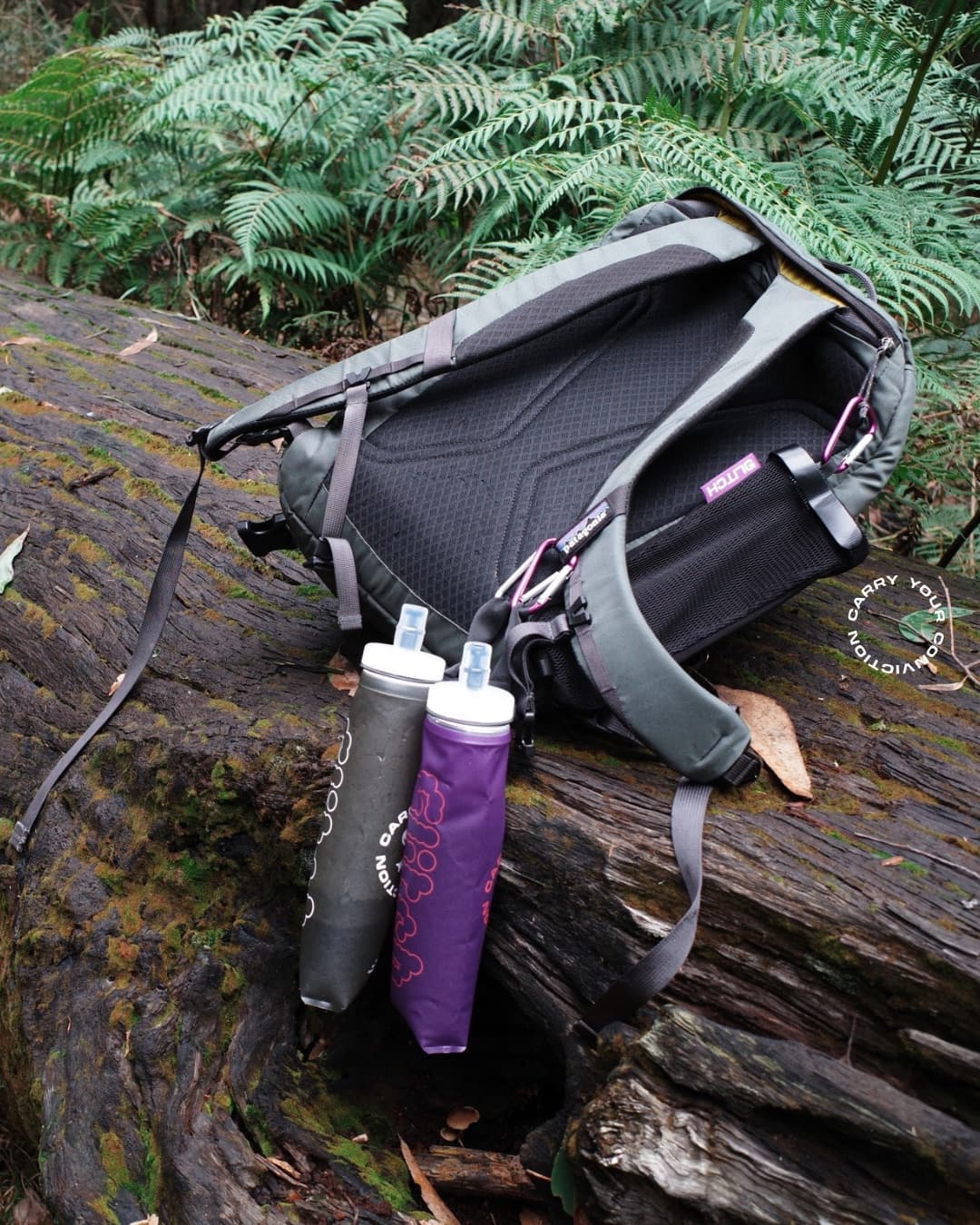
We started Glitch to solve a real problem: single-use plastic bottles generating mountains of waste at festivals. The math made sense. The mission felt urgent enough.
We reached out to 73 festivals. Had the meetings. Built the product.
It didn’t work — not because the problem wasn’t real, but because it wasn’t anyone’s priority. Smaller festivals were too stretched to survive, let alone innovate. Larger ones had $30–50k water bottle sponsorships locked in. Our environmental angle landed well in conversation and nowhere else.

Build distribution before product.
The traditional playbook — build, find fit, then market — is increasingly wrong. Sleep or Die built a 4,000-person waitlist and a cult community before their first product shipped. Cluely raised $15M on a story. The pattern is consistent: distribution first, product second. The caveat is that this only works when you have a natural audience to seed into, or a persona people want to follow. We didn’t have either. Next time, that’s the first question — not “is this a good product” but “who already cares, and how do we find them before we build anything.”
Conviction is a dial, not a binary.
Before Glitch, we tried to turn wildlife conservation into prediction markets — a non-profit mechanism to fund protected areas. We believed in it completely. It died after rigorous debate with industry experts and a firm legal conversation. So we overcorrected: pivoted to something tangible, low-risk, executable. Glitch was the opposite of our last idea in almost every way. That was the mistake. Low conviction compounds quietly — in the energy you bring to sales calls, in how hard you push when doors don’t open, in whether you’re willing to outlast the hard middle. We should have landed somewhere between a moonshot and a shrug.
Let go faster.
Sunk cost is seductive. The honest move is to get more rigorous earlier — on the framework, the storytelling, and whether you can genuinely convince someone else it’s worth caring about. If you can’t, that’s the signal.
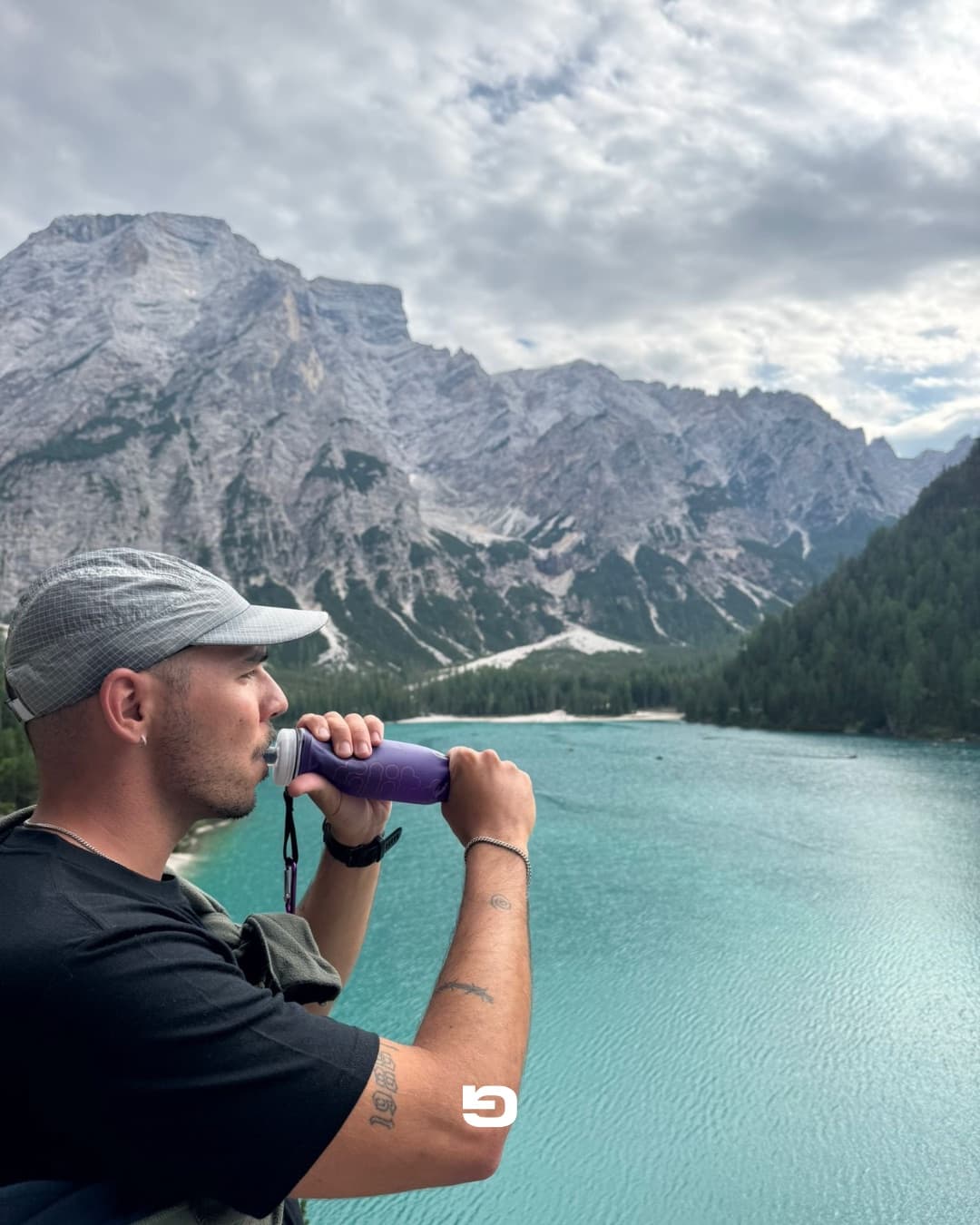
“There’s a gap between people like this and people buy this that no amount of product refinement closes.”
We felt it in every festival meeting — genuine enthusiasm, zero follow-through. Learning to read that gap earlier is worth more than any marketing tactic.
We’re keeping the lessons. Donating the bottles.
— Louis & Dan